Electrical Warning Signs Worth a Professional's Eyes, Not a Search Engine
Flickering lights, warm outlets, breakers that won't hold — what these electrical warning signs actually mean, and why this is one job for a professional only.
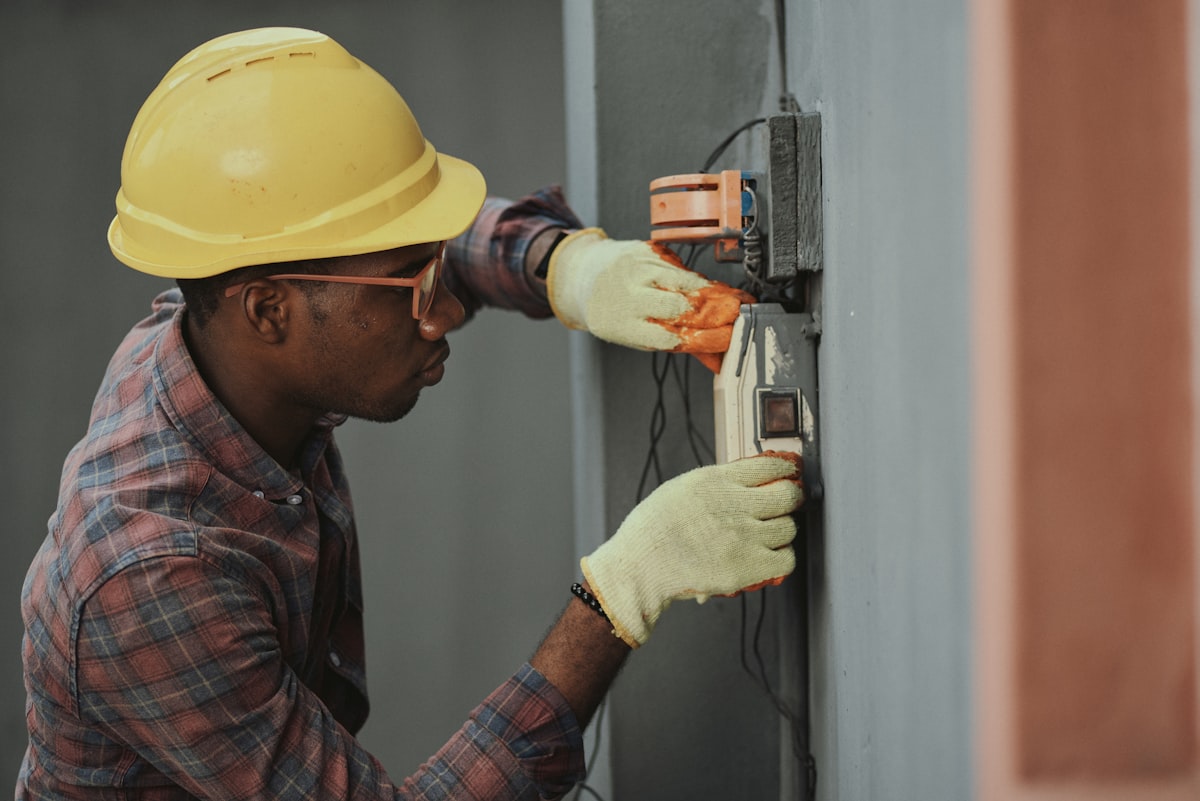
Most home systems give you a slow, honest warning before they fail — a water heater gets less hot before it gets no hot, a garbage disposal hums louder before it seizes. Electrical problems don't always play by those rules. A wiring issue can sit quietly behind a wall for months showing almost nothing, and then announce itself as a breaker that won't reset or, in the worst cases, as smoke. That gap between "barely noticeable" and "serious" is exactly why electrical warning signs deserve a different level of caution than a slow drain or a squeaky door hinge. This isn't a category where troubleshooting it yourself first, or reading a few forum threads before deciding, is the responsible move.
Flickering or dimming lights
A single bulb that flickers is usually nothing more than a loose bulb or a failing bulb itself — cheap, boring, easily fixed. The pattern worth paying attention to is different: lights across multiple rooms dimming or flickering together, especially when a large appliance kicks on, like an air conditioner compressor or a microwave. That pattern can point to a loose connection somewhere in the electrical panel, a problem with the main service line, or a circuit that's carrying more load than it's rated for.
The reason this matters more than it might seem is that a loose or degraded connection generates heat at the point of the fault, and that heat, sustained over time in a space you can't see, is one of the more common starting points for an electrical fire. A flickering bulb is a nuisance. Lights flickering house-wide in a repeating pattern is a signal worth having a licensed electrician look at, not a quirk to live with.
Warm or discolored outlets and switches
An outlet or light switch plate should feel roughly room-temperature to the touch, always. Warmth, a faint burning smell near an outlet, or visible discoloration or scorching on the plate itself are all signs that something behind the wall — a loose wire, a failing connection, an overloaded circuit — is generating heat where none should exist. This is true whether or not anything is currently plugged into that outlet.
The instinct many homeowners have is to simply stop using that particular outlet and move on, treating it like a minor inconvenience rather than a symptom. That instinct is understandable but backwards. A warm outlet isn't a broken convenience feature — it's a visible symptom of a problem that's almost certainly still active behind the wall, continuing to generate heat, whether or not anything is plugged in. This is a same-week call to a licensed electrician, not a someday item.
Breakers that trip repeatedly, or won't reset
A breaker tripping occasionally when a specific combination of appliances runs at once — a space heater and a hair dryer on the same circuit, for instance — is often just a circuit doing exactly what it's designed to do: cutting power before a wire overheats. That's the system working correctly, and redistributing what's plugged in where usually solves it.
A breaker that trips repeatedly with no obvious pattern, or one that won't reset and hold at all, is a different situation. That can point to a short circuit, a ground fault, or a failing breaker itself, and in any of those cases the breaker is the last line of defense doing its job under real stress. Resetting it repeatedly and hoping it holds, or replacing it yourself without understanding why it's failing, treats the symptom while leaving the underlying fault live. A breaker behaving this way is worth an electrician's diagnosis before it's reset and forgotten again.
The smell that should stop everything
A faint, persistent burning or "hot plastic" smell with no obvious source — no candle, no dish left too long in the oven, nothing visibly burning — deserves to be treated as an emergency, not a mystery to solve later. Electrical fires often smell distinctly like burning plastic or ozone before there's any visible smoke, because the insulation around wiring is what's overheating first, before flame is ever involved.
If that smell shows up, the right sequence is: leave the area, if it's safe and quick to do so shut off power at the main panel, and call an electrician or, if there's any sign of active fire or the smell is strong and you can't identify a safe non-electrical source, call the fire department. This is not a situation to investigate room by room, sniffing for the source, before deciding whether it's worth a call.
Why this category gets the caution the others don't
A slow plumbing leak gives you weeks. A failing HVAC system gives you a stretch of uncomfortable but survivable days. Electrical faults don't offer that same runway with any reliability — the difference between "a slightly warm outlet" and "an active fire risk" can be a matter of degree that's genuinely hard to judge from outside the wall, even for people who are otherwise comfortable with general home maintenance.
This is also, worth saying plainly, not a place for opening a breaker box or working inside a panel without licensed training, regardless of how confident a YouTube video makes the process look. Panels carry live current at levels that are genuinely dangerous, and misdiagnosing or mishandling a panel issue can turn a fixable problem into a much more serious one. The correct DIY step for every sign on this list is the same: notice it, don't ignore it, and get a licensed electrician's eyes on it before it becomes something worse. That's not an overcautious take on home electrical work — it's the one category of home maintenance where the line between "minor issue" and "serious hazard" is thin enough that professional judgment isn't optional, it's the whole point.
The Homeowner's Brief
Get the next deep-dive in your inbox
One provider deep-dive a month, plus clearly marked partner offers. Unsubscribe anytime.
Keep reading
More from our editors

The 45-Minute Fall Walkthrough That Covers the Whole House
One 45-minute, room-by-room walkthrough that ties together furnace, gutters, plumbing, garage door, and documentation before the season turns — the capstone fall checklist.

How Home Warranty Costs Actually Show Up at Closing
Home warranty coverage at closing is a negotiable line item, and the first-year price isn't the renewal price. What buyers and sellers should actually understand about it.

The Ten-Minute Task That Prevents Most Freeze Damage Every Year
A hose left connected to an outdoor faucet is one of the most common, most preventable sources of freeze damage every winter. The ten-minute fix before the first hard freeze.